
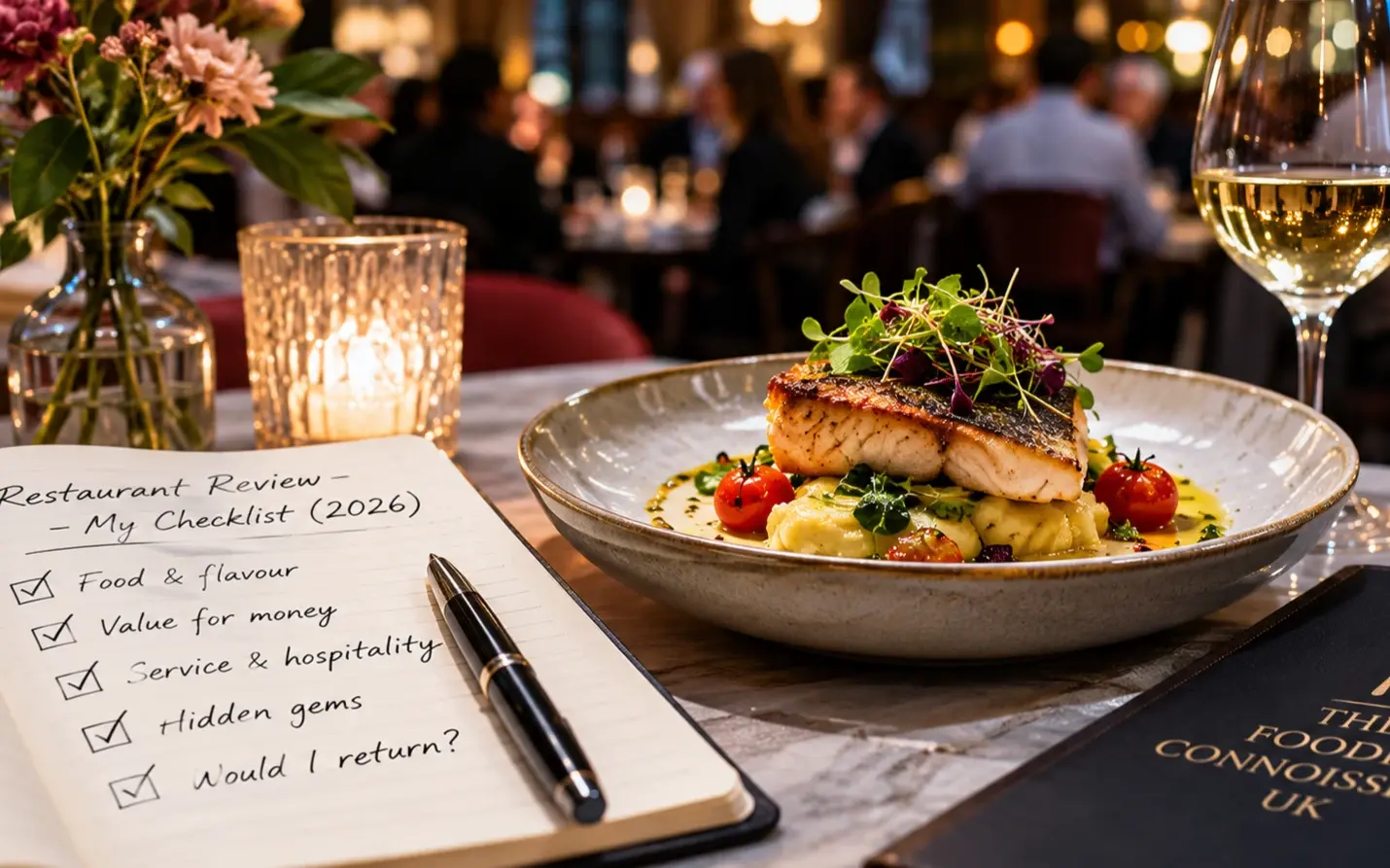
With restaurant prices rising, social media influencing where we eat, and new openings competing for attention, how do you know whether a restaurant is genuinely worth your money?
It's a question I find myself asking more often, particularly during the busy autumn and festive dining season in London, when restaurants are packed, reservations are harder to secure, and everyone seems to be promoting the next must-visit dining destination. As someone who spends a considerable amount of time exploring London's restaurant scene, from Michelin-starred establishments in Mayfair to independent neighbourhood restaurants and family-run hidden gems, I've learnt that a memorable dining experience involves far more than beautifully presented food. And perhaps more importantly, a good restaurant review should tell you what you really need to know before spending your hard-earned money.
An Honest Review Starts Before the First Bite
We live in an age where almost every restaurant has an Instagram presence. Beautifully photographed dishes, carefully edited Reels and enthusiastic recommendations can make even an average restaurant look extraordinary. But photographs don't tell you whether the food arrived cold, whether the service was attentive, or whether that £35 main course was worth ordering. For me, reviewing a restaurant means looking beyond the presentation. I want to know what the restaurant is trying to achieve, whether it delivers on that promise, and whether the experience justifies the price. A neighbourhood Italian restaurant charging £18 for a pizza shouldn't be judged by the same expectations as a Michelin-starred Indian restaurant offering a £139 tasting menu. Both can provide exceptional experiences, just in different ways. The real question is whether each restaurant delivers on its promise.
Value for Money Doesn't Mean Cheap
One of the biggest misconceptions about restaurant reviews is that good value means inexpensive food. It doesn't. I've enjoyed meals at premium restaurants where attention to detail, ingredient quality, cooking techniques, and hospitality have justified the higher prices. Equally, I've visited more modest establishments where a simple dish, prepared with care and packed with flavour, has left a lasting impression. When I assess value, I consider the entire experience. Was the food memorable? Were the portions reasonable? Did the quality match the price? Were there unnecessary extras? Would I happily pay the same amount to return? Those final two questions matter enormously. A £25 dish that leaves you wanting another helping might represent better value than a £50 plate that looks beautiful but fails to deliver on flavour. I also believe in being transparent about costs. If a restaurant charges extra for sides, sauces or service, readers deserve to know. Those additional charges can change a meal's overall value, particularly for families dining out. And when I'm reviewing a tasting menu, I want to explain what you're getting for the price, rather than simply calling it an unforgettable experience.
Service Can Make or Break a Restaurant
I've always believed that hospitality is one of the most underrated parts of dining out. You can have exceptional cooking coming from the kitchen, but if the service is disorganised, inattentive or unwelcoming, it affects the entire experience. Conversely, genuinely warm hospitality can turn a good meal into something special. I pay attention to the little things. Does someone acknowledge you when you arrive? Are the staff knowledgeable about the menu? Can they explain dishes and make thoughtful recommendations? Do they understand dietary requirements? Are they attentive without constantly interrupting your conversation? These things matter. During a recent date night at Benares in Mayfair, one highlight was having Chef Sameer Taneja personally explain the inspiration behind some of the dishes. It added another dimension to the meal and made us appreciate the thinking behind the food. At Little Red Pepper in Maida Vale, the team's warmth and the chance to see the original wood-fired pizza oven helped us appreciate the restaurant's history. These are different dining experiences, but both demonstrate how hospitality can shape the occasion. Of course, restaurants have difficult evenings. A busy Saturday night can test even the most experienced team. One delayed course doesn't automatically make a restaurant bad. What matters is how the staff respond when something goes wrong. A sincere apology, clear communication and a genuine effort to put things right often tell me more about a restaurant than a perfectly executed evening where nothing goes wrong.
The Hidden Gems Deserve Just as Much Attention
London's food scene is incredibly competitive, and some of the most rewarding meals I've enjoyed haven't been at fashionable new openings or restaurants with enormous marketing budgets. They've been at independent establishments, often run by people who have spent years perfecting their cooking and building relationships with their local communities. There is something satisfying about finding a restaurant where the owner remembers regular customers, the chef takes pride in every dish, and the food speaks for itself. These places don't always have the most polished social media accounts or the biggest influencer campaigns. And that's precisely why I think they deserve attention. When looking for hidden gems, I'm interested in consistency, character, flavour and authenticity. Does the restaurant have a clear identity? Is there a signature dish worth returning for? Does the menu reflect genuine care rather than simply following current food trends? I also pay attention to how a restaurant treats its customers when nobody appears to be filming. That tells you a great deal. A hidden gem doesn't need to be completely unknown. Sometimes it's a long-established neighbourhood favourite that deserves recognition beyond its immediate community.
The Reality of Reviewing During a Busy Season
As we move towards the end of 2026, London's restaurant scene becomes particularly busy. Festive menus, corporate dinners, family celebrations and seasonal events put additional pressure on kitchens and front-of-house teams. I think this is when a balanced review matters most. A restaurant operating at full capacity may have slower service than usual, but that doesn't excuse poor organisation or a lack of communication. Equally, reviewing a restaurant fairly means recognising the difference between an isolated problem and a consistent weakness. If a dish arrives later than expected but tastes exceptional, I'll acknowledge both. If the food looks impressive but lacks seasoning or depth of flavour, I'll say so. If the restaurant provides excellent service but charges prices that feel difficult to justify, that deserves mentioning too. I also try to consider the circumstances of a visit. A quiet weekday lunch and a fully booked Saturday dinner can be very different experiences. A single visit provides a snapshot, not a complete picture of how a restaurant performs every day.
Complimentary Meals, Collaborations and Transparency
This is an important subject, particularly in 2026, when restaurant reviews and influencer marketing have become increasingly connected. Through The Foodie Connoisseur UK and my involvement with The Creators Table, I have opportunities to attend restaurant openings, hosted dinners and other dining experiences. Some visits are personal, while others involve invitations or commercial collaborations. I believe readers should understand that distinction. A complimentary meal doesn't automatically mean a restaurant is exceptional. Equally, a paid meal doesn't guarantee an unbiased opinion. What matters is transparency, independence and the willingness to describe the experience fairly. Where a meal has been gifted, hosted or forms part of a paid partnership, that relationship should be clearly disclosed. There is also an important distinction between promotional content and independent criticism. If a restaurant has commissioned specific content, readers deserve to know that commercial relationship exists. A positive opinion should never be treated as something a restaurant can purchase. For me, credibility depends on maintaining that separation. I also recognise that an invited dining experience may differ from an ordinary customer's visit. Restaurants may provide additional attention, specially selected dishes or opportunities to meet the chef. Those details can make an evening memorable, but they shouldn't automatically be presented as the experience every paying customer will receive. And when reviewing any restaurant, I believe it's important to be clear about what I personally experienced rather than make claims I cannot substantiate.
Would I Recommend It to My Family or Friends?
This is ultimately my most important test. Would I confidently recommend the restaurant to someone who trusts my opinion? Would I take my wife there for a date night? Would I bring my children for a family meal? Would I suggest it to friends celebrating a special occasion? The answers don't always have to be the same. Some restaurants are perfect for romantic evenings, while others suit informal meals with friends or family celebrations better. I also consider whether they clearly understand dietary requirements and accommodate them properly. As someone who looks for halal options and often chooses seafood when suitable meat options aren't available, accurate menu information and knowledgeable staff make a genuine difference. A restaurant doesn't need to appeal to everyone to receive a positive review. It needs to serve its intended customers well. And sometimes my recommendation will come with a qualification. Perhaps the food is exceptional, but the restaurant is noisy. Perhaps the service is wonderful, but the portions are small. Perhaps the cooking is ambitious, but certain dishes are more successful than others. Those details help readers make informed decisions.
Why I Don't Believe Every Restaurant Needs Five Stars
One thing I've become increasingly conscious of is how easily restaurant reviews can become overwhelmingly positive. Scroll through social media, and almost every meal seems amazing, incredible, or the best someone has ever tasted. But if everything is exceptional, how do we distinguish the genuinely outstanding from the merely enjoyable? I don't think criticism needs to be harsh to be honest. There is room to appreciate a restaurant's strengths while acknowledging where it could improve. A perfectly pleasant neighbourhood restaurant doesn't need to be described as the best in London. A Michelin star doesn't guarantee that every dish will suit your palate. And a restaurant receiving thousands of views on Instagram doesn't necessarily mean it offers exceptional food. I would rather provide a thoughtful, balanced account than make exaggerated claims simply to attract attention.
What You Can Expect From The Foodie Connoisseur UK
My approach to restaurant reviews has always been shaped by a genuine enjoyment of food, hospitality and the people behind the restaurants. I appreciate ambitious chefs, independent businesses, established institutions and family-run establishments that take pride in their cooking. But I also recognise that readers have different budgets, expectations and reasons for dining out. That's why I want my reviews to address the questions that matter. What did the food taste like? What stood out? Was the service good? How much did the experience cost? Who would enjoy it most? And most importantly, would I return? I'll continue highlighting memorable dining experiences, supporting independent restaurants and sharing places that deserve recognition. I'll also continue being clear about the circumstances of my visits and distinguishing personal recommendations from collaborations. Because an honest restaurant review isn't about finding fault with every dish or praising every restaurant. It's about giving readers enough information to decide whether a place is right for them.